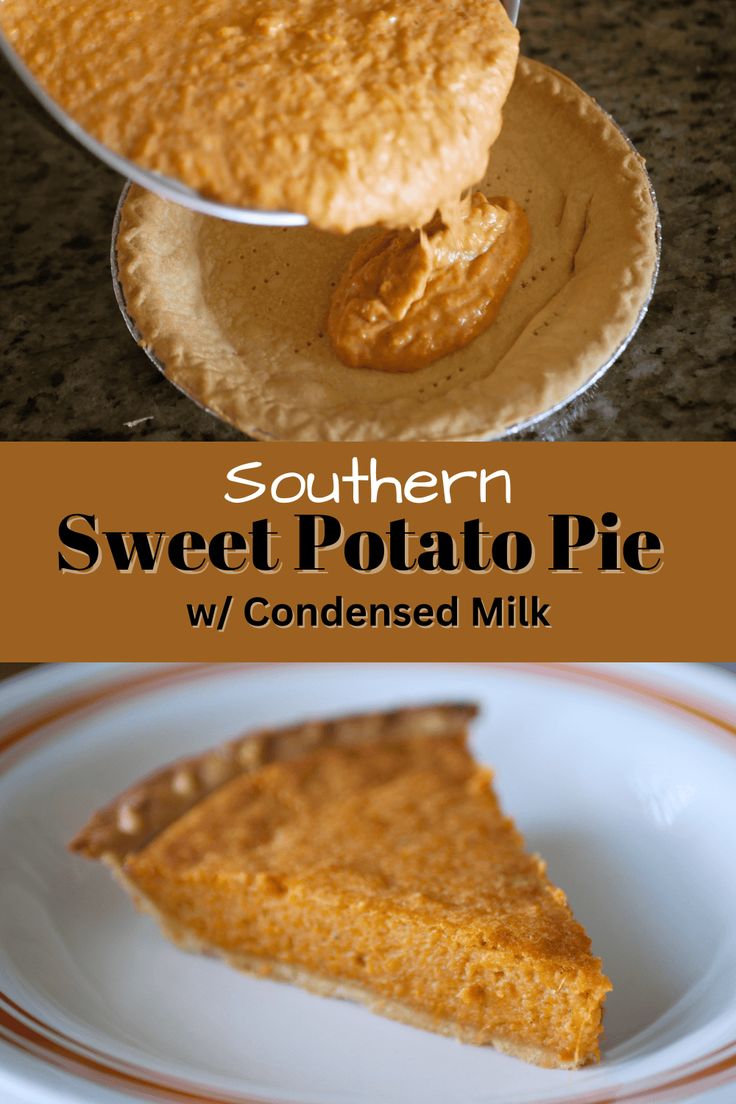
The Secret to Creamy Sweet Potato Pie: Always Bake Your Yams!
There are few desserts as beloved and comforting as a slice of homemade sweet potato pie. This iconic Southern classic evokes feelings of warmth, family gatherings, and holiday feasts. While many families cherish their own unique
Authentic Southern Sweet Potato Pie: A Generations-Old Recipe, the undisputed secret to achieving that signature creamy texture and deep, rich flavor lies not just in the ingredients, but in the way you prepare the humble sweet potato itself. Forget boiling – the true magic happens when you bake your yams.
This simple yet crucial step elevates a good sweet potato pie to an unforgettable culinary masterpiece. It’s a tradition passed down through generations of Southern cooks, a subtle technique that makes all the difference, transforming the pie filling into a velvety, flavorful custard that truly sings of the season. If you've ever wondered why some sweet potato pies taste watery or lack that profound sweetness, the answer almost certainly lies in how the potatoes were cooked.
The Unrivaled Flavor & Texture of Baked Yams
The primary reason to bake your sweet potatoes instead of boiling them for a southern sweet potato pie recipe is twofold: unparalleled flavor concentration and superior textural quality. Boiling sweet potatoes inevitably introduces excess water, diluting their natural sugars and starches. This leads to a less flavorful, often thinner filling that can be prone to cracking. Baking, however, does the opposite – it intensifies everything wonderful about the sweet potato.
Deepening the Sweetness: Caramelization's Role
When sweet potatoes are baked whole in their skins, they undergo a transformative process. The dry heat of the oven slowly breaks down the complex starches within the potato into simpler, more flavorful sugars. This process, known as *caramelization*, is key. As the natural sugars heat, they begin to brown and develop incredibly complex, nutty, and deeper sweet notes that are simply unattainable through boiling. This isn't just about making them sweeter; it's about adding layers of rich, nuanced flavor that form the foundation of an exquisite sweet potato pie. Think of the difference between a plain steamed carrot and a roasted one – the latter has a more profound, concentrated flavor. The same principle applies here, magnifying the inherent goodness of the sweet potato.
Achieving Silky Smoothness: Moisture Control
Beyond flavor, baking also significantly impacts the texture of your sweet potato pie filling. As the sweet potatoes bake, excess moisture gradually evaporates through their skins. This concentrates the potato's flesh, resulting in a drier, fluffier, and more intensely flavored pulp. When you scoop out this perfectly baked pulp, it's naturally less watery and much easier to puree into an incredibly smooth, lump-free consistency.
Boiled sweet potatoes, on the other hand, absorb water, becoming waterlogged. This makes them difficult to mash into a truly silky puree without introducing even more liquid (milk, cream), which can throw off the delicate balance of the pie custard and lead to a less creamy, often runny, or even curdled filling. The concentrated, moisture-controlled pulp from baked sweet potatoes allows the other dairy and egg ingredients to truly shine, binding together into that iconic, luxurious custard that defines the perfect southern sweet potato pie recipe.
Crafting the Perfect Southern Sweet Potato Pie Recipe: Beyond the Yams
While baking your sweet potatoes is paramount, the other ingredients and techniques are equally vital in creating a truly exceptional southern sweet potato pie. A classic recipe relies on a few simple, high-quality components that come together harmoniously.
The Essential Cast of Ingredients
Once your baked sweet potatoes are cool enough to handle, scoop out their vibrant orange flesh. For the smoothest possible texture, many Southern cooks opt for a potato ricer or food processor to eliminate any fibrous strands, though a good old-fashioned masher will work too if you're patient.
*
Butter: Essential for richness and flavor. Use unsalted butter to control the seasoning, and ensure it's at room temperature for easy blending. It adds a crucial mouthfeel and complements the sweet potato's earthy notes beautifully.
*
Sugar: Granulated sugar is standard, providing sweetness and helping to create that soft, yielding texture in the custard. The amount can be adjusted slightly to your preference, but remember the baked yams already bring a significant natural sweetness.
*
Eggs: The backbone of any custard pie, eggs (especially the yolks) are what give the pie its structure and bind the ingredients together. They create the firm-yet-creamy texture.
*
Milk/Cream: Whole milk, evaporated milk, or even a splash of heavy cream contributes to the pie's creamy consistency and rich flavor. Each adds its own nuanced richness.
*
Vanilla Extract: A touch of vanilla is almost always included to enhance and round out all the other flavors, providing a subtle aromatic warmth.
*
Pie Crust: A flaky, buttery pie crust is non-negotiable. Whether you opt for a homemade pastry (which is highly recommended for the best results) or a good quality store-bought one, ensure it's sturdy enough to hold the rich filling. Blind baking the crust can prevent a soggy bottom, a common pitfall.
Spice or No Spice? A Southern Tradition
One of the fascinating aspects of the southern sweet potato pie recipe tradition is the debate surrounding spices. Many heirloom recipes, particularly those passed down through generations in the deep South, advocate for a "no-spice" approach. In these purist versions, the creamy sweet potatoes, butter, sugar, and vanilla are allowed to shine, creating a distinctively different profile from pumpkin pie. The argument is that the natural flavor of the perfectly baked sweet potato is so exquisite it needs no embellishment.
However, other beloved Southern recipes do incorporate subtle spices. A gentle whisper of ground cinnamon, a tiny pinch of nutmeg, or even a hint of ginger can add warmth and complexity without overpowering the sweet potato. If you prefer a spiced pie, consider starting with smaller amounts and tasting as you go. The goal is enhancement, not imitation of pumpkin pie. Ultimately, whether to add spices comes down to personal preference and family tradition – both approaches yield delicious results.
Time-Saving Strategies: Your Make-Ahead Southern Sweet Potato Pie
One of the most appealing aspects of a southern sweet potato pie recipe, especially during busy holiday seasons, is its suitability for making ahead. This makes it a stress-free addition to any festive menu, allowing you to enjoy the company of your loved ones without last-minute kitchen dashes. For more detailed guidance, explore our guide on
Make Ahead Southern Sweet Potato Pie: Your Holiday Dessert Guide.
Prepping Your Baked Sweet Potatoes
You can bake your sweet potatoes days in advance. Simply bake them until tender, allow them to cool completely, then scoop out the flesh. You can mash or puree them immediately, then store the mashed sweet potato in an airtight container in the refrigerator for up to 3-4 days. This means on pie-making day, the most time-consuming step is already done!
Assembling and Storing Your Pie
The entire sweet potato pie can be assembled and baked a day or two before serving. After baking, allow the pie to cool completely on a wire rack at room temperature. Once cooled, cover it loosely with plastic wrap or foil and refrigerate. Serving it at room temperature or slightly warmed is often preferred, as it allows the flavors and textures to fully develop. If you need to warm it, a low oven (around 250°F / 120°C) for 15-20 minutes will do the trick without drying it out. Sweet potato pie also freezes beautifully. Wrap a cooled, baked pie tightly in plastic wrap and then foil, and it can be frozen for up to 2-3 months. Thaw overnight in the refrigerator before gently reheating.
Tips for Your Best Southern Sweet Potato Pie Yet
To ensure your southern sweet potato pie recipe is nothing short of perfection, consider these additional tips:
*
Choose the Right Sweet Potatoes: Look for firm, unblemished sweet potatoes like Beauregard, Jewel, or Garnet varieties, known for their moist texture and vibrant orange flesh.
*
Don't Overmix: Once you've added the eggs, mix the filling only until just combined. Overmixing can incorporate too much air, leading to a cracked top or a less dense custard.
*
Blind Bake Your Crust: For a truly flakey, non-soggy bottom, always blind bake your pie crust before adding the filling. This creates a barrier against the moist custard.
*
Test for Doneness: The pie is done when the edges are set, but the center still has a slight jiggle. A knife inserted about an inch from the crust should come out clean.
*
Cool Completely: Resist the urge to cut into a warm pie! Sweet potato pie needs time to cool and set properly, usually several hours or even overnight. This ensures clean slices and a perfectly firm texture.
*
Garnish Creatively: While delicious on its own, a dollop of fresh whipped cream, a sprinkle of toasted pecans, or a meringue topping can add extra flair and texture.
Conclusion
The journey to an extraordinary southern sweet potato pie recipe begins and ends with the humble sweet potato itself. By embracing the time-honhonored tradition of baking your yams, you unlock a depth of flavor and a creamy, luxurious texture that simply cannot be achieved by any other method. This simple step, combined with a few quality ingredients and a touch of Southern culinary wisdom, transforms a classic dessert into a truly unforgettable experience. So, the next time you crave that comforting slice of pie, remember the secret: always bake your yams for a pie that's rich, creamy, and undeniably delicious. Your taste buds will thank you!